
How Stress Damages Your Gut Health – And the Best Foods to Help

If your digestion feels off when you’re stressed, you’re not imagining it. The gut and brain are closely connected, and what’s going on in your mind can have a direct impact on how your body processes food. The good news? While stress can disrupt your gut, the right nutrition can help support it. In this guide we’ll look at the relationship between stress and gut health, and what to eat and avoid to support your gut when your stress levels are high.

How Stress Affects The Gut
The Gut-Brain Axis
Your gut and brain are in constant communication through what is known as the gut-brain axis. This means what’s happening in your brain can directly influence how your digestive system functions, and vice versa.
When you’re stressed, your body activates its “fight or flight” response. This triggers the release of stress hormones like cortisol and adrenaline, which are designed to help you deal with immediate threats. The problem is, your body can’t always tell the difference between a real danger and everyday pressures like work deadlines or poor sleep.
As a result, resources are diverted away from digestion. This can affect how quickly food moves through your system, leading to symptoms like bloating, discomfort, constipation or diarrhoea.[1][2]
Your Gut Microbiome
Chronic stress doesn’t just affect how your gut works, it can also affect what’s living inside it. Your gut is home to trillions of bacteria, collectively known as the gut microbiome, which plays a key role in digestion and overall health.
Research suggests that stress may reduce the diversity of “good” gut bacteria, while allowing “bad” bacteria to thrive. This imbalance can affect how efficiently you digest food and how well your gut functions day to day.[1]
Your Gut Lining
Stress can also weaken the gut lining, which acts as a barrier between your digestive system and the rest of your body. Under chronic stress, this barrier can become more permeable – sometimes referred to as “leaky gut” – allowing bacteria to seep into the bloodstream.
This can trigger an inflammatory response, which is linked to a range of digestive symptoms and wider health effects.[2]
What To Eat To Support Your Gut During Stress
What you eat directly shapes your gut bacteria. This means that what you eat can either worsen or help counteract the effects of stress.[3]
Here’s what to eat to support your gut health when stress levels are high:
Fermented Foods
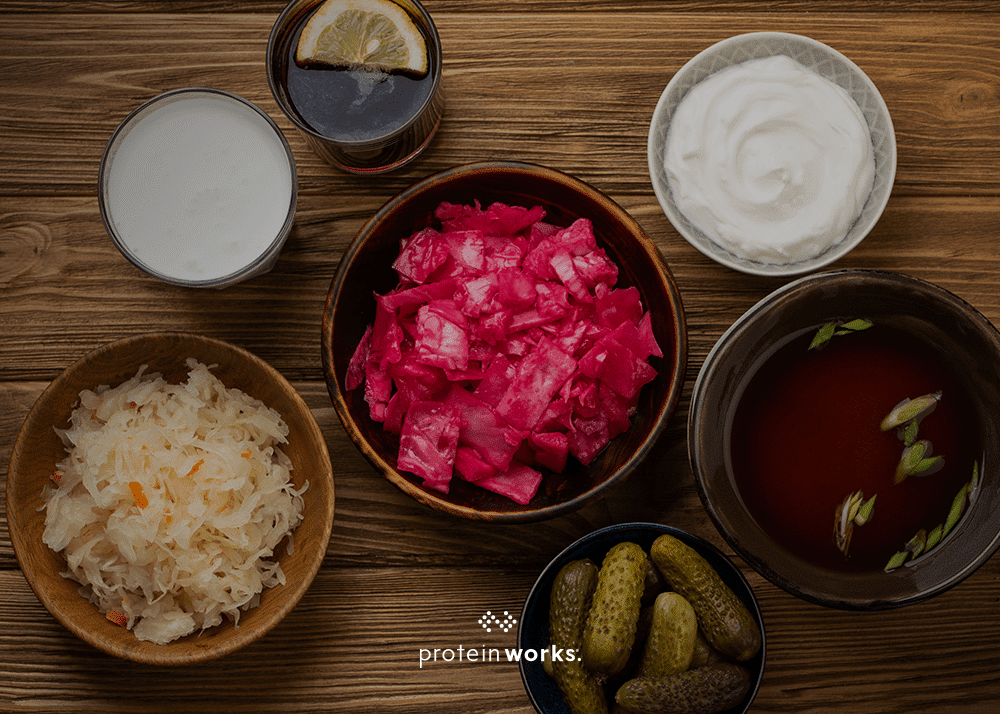
Fermented foods such as kimchi, sauerkraut, live yoghurt and kombucha help to restore the natural balance of gut bacteria, which can be disrupted by stress. Look for fermented foods that contain probiotics for optimal gut health benefits.[4]
Legumes
Legumes are a good source of fibre, which helps to keep things moving through the digestive system while encouraging beneficial bacteria to thrive. Examples include lentils, chickpeas, kidney beans and edamame.[5]
Wholegrains
Wholegrains are another rich source of fibre, making them great fuel for the gut microbiome. To get a diverse range of fibres and nutrients during times of stress, aim to eat a variety of different wholegrains, including oats, brown rice, quinoa and wholewheat pasta and bread.
Here are 5 Signs You’re Not Getting Enough Fibre.
Fruits And Vegetables
As well as containing fibre, many fruits and vegetables also contain polyphenols – compounds with antioxidant properties that support good bacteria in the gut and help to reduce inflammation. Good sources include berries, grapes, onions, carrots and broccoli.[6]
Omega-3s
Omega-3 fatty acids may help regulate the body’s response to stress by reducing both inflammation and cortisol. Oily fish, such as salmon, mackerel and sardines, are the best source of omega-3, but you can also find them in flaxseeds, chia seeds, walnuts and rapeseed oil.[7]
Hydration
While not a food per se, drinking plenty of water is essential for supporting digestion, especially during periods of stress. Fluids help keep things moving through the gut and support regular bowel movements, which can become disrupted when stress levels are high.[8]
Discover 5 of the Best Foods for Gut Health – According to a Dietitian.
Foods To Avoid When Stressed
Certain foods can also have a negative impact on your gut health. Fried, processed and sugary foods have been linked to disruptions in gut bacteria and increased inflammation, which can make digestive symptoms – and feelings of stress – feel worse.
The challenge is that stress often drives us towards these foods. When you’re feeling overwhelmed, it’s common to crave highly palatable foods – those with high levels of fat, sugar, sodium or carbohydrates that stimulate the brain’s reward system. While they may offer short-term comfort, regularly relying on these foods can contribute to a cycle of poor diet, low energy and increased stress.[1]
It’s also worth being mindful of caffeine and alcohol. Both can irritate the digestive system and, in some people, worsen symptoms like bloating or reflux. High caffeine intake may also amplify feelings of anxiety, while alcohol can disrupt sleep, making it harder for your body and gut to recover from stress.[9][10]
The Take Home
Your gut and your brain are intrinsically connected, so when your stress levels are high, your digestion is often impacted too. While you can’t always avoid stress, you can support your gut by focusing on eating a balanced, nutrient-rich diet, including plenty of fibre, fermented foods, fruits and vegetables, and omega-3s.
If you’re looking for additional support, our Gut Love supplement is designed to help. Formulated with a science-backed blend of prebiotics, probiotics and enzymes, it works alongside your diet to help you manage the effects of stress on your digestion.


References:
[1] https://pmc.ncbi.nlm.nih.gov/articles/PMC7213601/
[2] https://pmc.ncbi.nlm.nih.gov/articles/PMC8875876/
[3] https://pmc.ncbi.nlm.nih.gov/articles/PMC11394685/
[4] https://pmc.ncbi.nlm.nih.gov/articles/PMC9003261/
[5] https://pmc.ncbi.nlm.nih.gov/articles/PMC9100130/
[6] https://pmc.ncbi.nlm.nih.gov/articles/PMC8747136/
[7] https://pmc.ncbi.nlm.nih.gov/articles/PMC8510994/
[8] https://pmc.ncbi.nlm.nih.gov/articles/PMC11126815/
[9] https://pmc.ncbi.nlm.nih.gov/articles/PMC10867825/
[10] https://www.sciencedirect.com/science/article/pii/S1087079224001345


No Comments yet!