
How To Avoid Weight Regain When Coming Off Mounjaro

GLP-1 medications like Mounjaro, Wegovy and Ozempic have become a popular tool for weight management, with an estimated 1.6 million people using them in Great Britain alone.[1] While these medications can be highly effective for supporting weight loss, there’s evidence that weight regain is common after treatment stops.[2]
This is because GLP-1 medications work by reducing appetite and supporting metabolic processes that make it easier to lose weight. When the medication is stopped, these effects cease and appetite increases again. At the same time, the body may still be burning fewer calories following weight loss, making it easier to regain weight.[3][4]
But research shows that weight regain is not inevitable. By building healthy habits – particularly whilst still on medication – and seeking appropriate support, it is possible to maintain your results.
Here are some tips to help you avoid regaining weight after stopping GLP-1 medication.

Seven tips to help you avoid weight regain when coming off GLP-1 medications.
1. Build Sustainable Eating Habits Before Stopping
GLP-1 medications help reduce appetite, which makes it easier to eat less and lose weight.[5] However, this appetite suppression can sometimes mask underlying eating habits. When the medication is stopped and hunger signals return, people may find it hard to avoid going back to their old ways of eating. For this reason, it’s important to start building healthy and sustainable eating habits while still using GLP-1 medication.
Focus on creating balanced, nutrient-dense meals that include a source of protein, fibre-rich carbohydrates, healthy fats and plenty of fruits and vegetables. Eating regular meals rather than skipping food during the day can also help stabilise energy levels and prevent overeating later on. This can make it easier to manage appetite and maintain weight loss once GLP-1 treatment ends.
Learn more about nutrition while taking GLP-1 medications.
2. Prioritise Protein
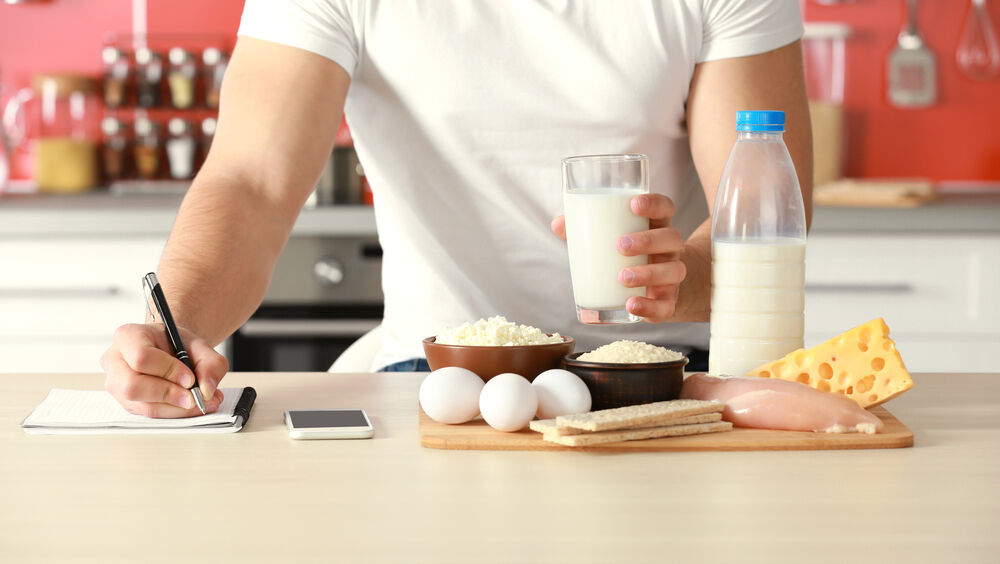
Protein-rich foods help increase feelings of fullness, which can help reduce overall calorie intake and limit snacking between meals.[6] This can be especially useful when the appetite-suppressing effects of GLP-1 medication begin to wear off.
Including foods such as chicken, fish, eggs, dairy, beans, lentils, nuts, and seeds in your meals can help support satiety and make weight maintenance more manageable. For convenience, especially when appetite is low or you’re short on time, protein powders can also be a useful option.
3. Increase Your Fibre Intake
GLP-1 medications partly support weight loss by slowing stomach emptying, which helps you feel full for longer. While fibre is not a direct replacement for these medications, fibre-rich foods – particularly those rich in soluble or viscous fibre – can also support satiety by slowing digestion, helping to stabilise blood sugar and making meals feel more filling.[7] Good sources include oats, chia seeds, flaxseeds, lentils, beans and fruits such as apples and pears.
Discover 5 foods that naturally support GLP-1 production.
4. Keep Moving
Physical activity plays an important role in maintaining weight loss after GLP-1 treatment. Research suggests that people who combine GLP-1s with exercise are more likely to keep the weight off after stopping the medication. In one study, participants who followed an exercise programme maintained their weight even a year after the programme ended, while those who relied on medication alone were more likely to regain weight.[8]
Current guidance from the World Health Organisation recommends aiming for at least 150 minutes of moderate-intensity or 75 minutes of vigorous-intensity physical activity per week, plus two sessions of muscle-strengthening exercises.[9]
5. Seek Support
Research shows that people who receive continued professional support after losing weight are more likely to maintain their results long-term.[10] When you come off GLP-1 medication, appetite, routine and motivation can all begin to shift, and working with a healthcare professional, dietitian or fitness specialist can help you navigate this transition.
Whether it’s through regular check-ins, personalised nutrition or exercise plans or behavioural support, professional support can provide the structure and accountability needed to stay on track and maintain your results.
6. Stay Hydrated
Higher water consumption is associated with a greater likelihood of achieving meaningful weight loss and a lower risk of weight gain over time.[11] Drinking water before meals may also help reduce hunger and overall calorie intake. Increasing your water intake or replacing sugary drinks with water or low-calorie alternatives can therefore be a simple way to support long-term weight maintenance.
7. Get A Good Night’s Sleep
Research suggests that poor sleep can make it harder to maintain weight loss. This is because people tend to consume more calories when they are sleep deprived, particularly from high-fat and high-carbohydrate snacks. Lack of sleep also disrupts hormones that regulate appetite and metabolism, which can make it harder to maintain weight loss. [12]
To improve your sleep quality, try to limit your caffeine and alcohol intake in the evening, keep your room at a comfortable temperature, and try to go to bed at the same time every night.
The Take Home
Weight regain after GLP-1 treatment is common, but it isn’t inevitable. By building sustainable habits around nutrition, exercise, sleep and routine – ideally while still on medication – you can put yourself in a strong position to maintain your results long term.
If you’re looking for a convenient way to support your nutrition as you transition off GLP-1 medication, check out our GLP-1-friendly shakes, designed to help you meet your nutritional needs while managing your overall calorie intake.


References:
[1] https://www.medrxiv.org/content/10.1101/2025.06.06.25329114v1.full
[2] https://pubmed.ncbi.nlm.nih.gov/40186344/
[3] https://pubmed.ncbi.nlm.nih.gov/20935667/
[4] https://www.mdpi.com/2072-6643/17/16/2699
[5] https://pubmed.ncbi.nlm.nih.gov/28266779/
[6] https://pubmed.ncbi.nlm.nih.gov/26947338/
[7] https://pmc.ncbi.nlm.nih.gov/articles/PMC10648557/
[8] https://pmc.ncbi.nlm.nih.gov/articles/PMC10965408/
[9] https://www.who.int/initiatives/behealthy/physical-activity
[10] https://pmc.ncbi.nlm.nih.gov/articles/PMC10348773/
[11] https://www.sciencedirect.com/science/article/abs/pii/S0031938425001544
[12] https://pmc.ncbi.nlm.nih.gov/articles/PMC9031614/



No Comments yet!