
Everything You Need to Know About Cycle Syncing, Protein & Sleep

The wellness industry has been male-centred for decades. With research primarily being done on male bodies, and the resulting advice tailored to suit them, women have been expected to simply adapt to the findings. And consequently, they’ve been left using products and following advice that was never meant for them. But now, we’re seeing a change. Conversations surrounding women’s health and the effects of hormones on wellness are increasing year on year – and yet, so many women are still in the dark about what their bodies need throughout their monthly cycle. We’re here to shine a light on this, explaining how tracking your cycle can make a huge difference to your nutrition and overall wellness, including why protein matters more than you think, and how even sleep is affected. Here’s everything you need to know about cycle syncing, protein & sleep.
 What is cycle syncing?
 What is cycle syncing?
Cycle syncing has been done for millennia by women all over the world in one way or another. But in modern wellness terms, it consists of aligning what you eat, how you move, and how you rest with the phases of your menstrual cycle: menstruation, follicular, ovulatory, and luteal. More to come on these.
Women’s bodies aren’t the same week on week; we know this to be scientifically true, so it makes no sense to treat each week’s routine in the same exact way. However, this doesn’t have to be an overwhelming lifestyle change. Simply making some small tweaks depending on where you are in the cycle can make a big difference.
How to work with your hormones
While there are four stages of the menstrual cycle, we can split these into two key phases to help you understand what your body needs in each of them. These are the follicular phase (the first half of the cycle), and luteal phase (the second half of the cycle). Here’s how they differ:
The follicular phase
In the first two weeks of your cycle, your oestrogen levels are rising. This results in higher energy, more stable mood, and what you might experience as higher confidence and general ‘joie de vivre’.
This stage often means workouts feel easier, and you’ll generally feel fairly lively. This is when you should lean into your energy boost, making it a great time to train harder if you want to.
The luteal phase
After the fun of the follicular phase, your progesterone begins to rise – and this changes things. In the last two weeks of your cycle, energy will dip, appetite will increase, and your body temperature will go up as your body starts preparing the uterine lining for pregnancy.
This stage is for self-care, prioritising protein (we’ll explain why shortly), opting for anti-inflammatory foods, and focusing on good sleep and rest.
These shifts are real and physical, not just in your head. It can be easy to experience these low energy periods and blame yourself – many women do – but once you understand the physical processes happening in your body, it’s easier to adapt some key parts of your routine to work with your body, not against it.
Nutrition is one of these parts, specifically the amount of protein you need, so let’s get into why this matters so much.
The importance of protein in women’s wellness
Protein’s place in nutrition is well-known by now, but women’s protein needs have been under-researched and overestimated for years. Instead, the advice has been the same as men’s: sticking to a consistent amount every single day. The problem is, women’s protein needs change quite significantly over the course of their four-week cycle, so it can’t be a once-size-fits-all dosage.
During the luteal phase, the progesterone your body is producing is catabolic, breaking down energy molecules to support the body’s preparation for pregnancy. In simple terms, this means your body is working harder at this time, and needs more fuel to do so. Protein, more specifically.
The practical advice based on this is that you should aim for protein at every meal during the second half of your cycle, not just around workouts. Contrarily, in the first half of the cycle, you can stick to the usual recommended amounts per day (0.8-1.2g per kg of bodyweight, depending on your age and lifestyle).
Want to learn more about how protein influences women’s health? Read our Dietitian’s Guide to Protein for Women.
How your cycle affects your sleep
One key element of women’s wellness that’s not talked about enough is the connection between the menstrual cycle and sleep quality. It’s not unusual to notice worse quality sleep just before your period – and this is not a random coincidence.
The higher body temperatures caused by rising progesterone levels can disrupt the neurotransmitters that regulate your sleep quality, resulting in less time actually sleeping throughout the night. In fact, research has shown that sleep efficiency is noticeably higher in the follicular phase (89.9%) than the luteal phase (83.7%).
So, if you find your sleep suffering in the second half of your cycle, you’re not alone: it’s biology at work.
How what you eat can help how your sleep
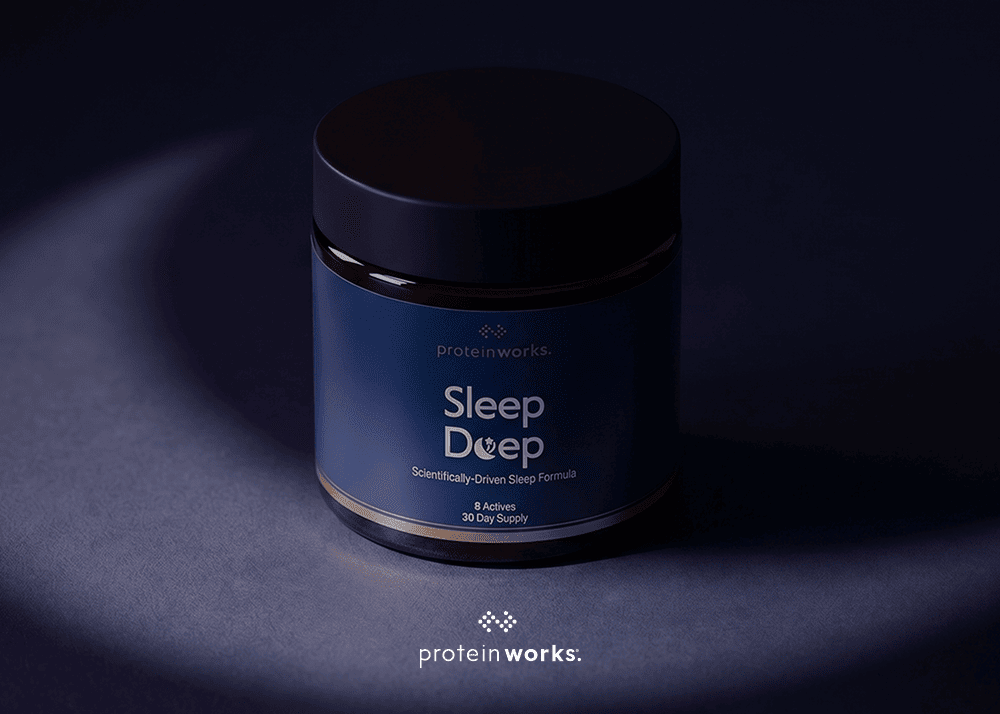
While you can’t control the rise in progesterone that comes hand in hand with the luteal phase, you can adjust your diet to make sleep that bit easier. Luckily, protein comes in clutch again here. Amino acids from protein are the precursors to the hormones that govern sleep, melatonin and serotonin. So, eating enough protein in the evening can support the production of these hormones and promote better sleep quality during the more challenging phases of your cycle.
Another essential mineral that supports sleep is magnesium, found in many protein-rich whole foods. Leafy greens, nuts and seeds, legumes and whole grains are also good sources, so stock up on these for dinners during your luteal phase.
Finally, dehydration can also worsen your sleep quality, and hormonal shifts in the luteal phase can increase the risk of it. So, drink plenty of fluids during the day, and wind down your night with a nice herbal tea for a final hydrating kick before nodding off.
How to start working with your cycle
Staying informed on how your cycle affects your wellness is a great way to operate at your best – whatever that means for you. However, don’t try to overhaul everything at once. That’s a surefire route to burnout. Instead, start tracking things like energy, sleep quality, and hunger for two or three cycles, and see which patterns emerge. Add more protein when you need it, and be kind to yourself in times when the luteal phase limits you.
It’s all personal, so do what’s best for your body and your unique cycle – some women may not even notice variations (especially those on hormonal contraception). If you’re not sure where to start, hitting your protein targets throughout the month is a good first step.
Want to make this easier? Our protein powders are a simple and great-tasting way to support your body throughout all stages of your cycle.


References
Nutrition and Exercise Throughout Your Menstrual Cycle | Cleveland Clinic
Ishikura, I.A., Moysés-Oliveira, M., Fernandes, G.L. et al. “How do phases of the menstrual cycle affect sleep? A polysomnographic study of the EPISONO database.” Sleep Breath 28, 1399–1407 (2024).



No Comments yet!