
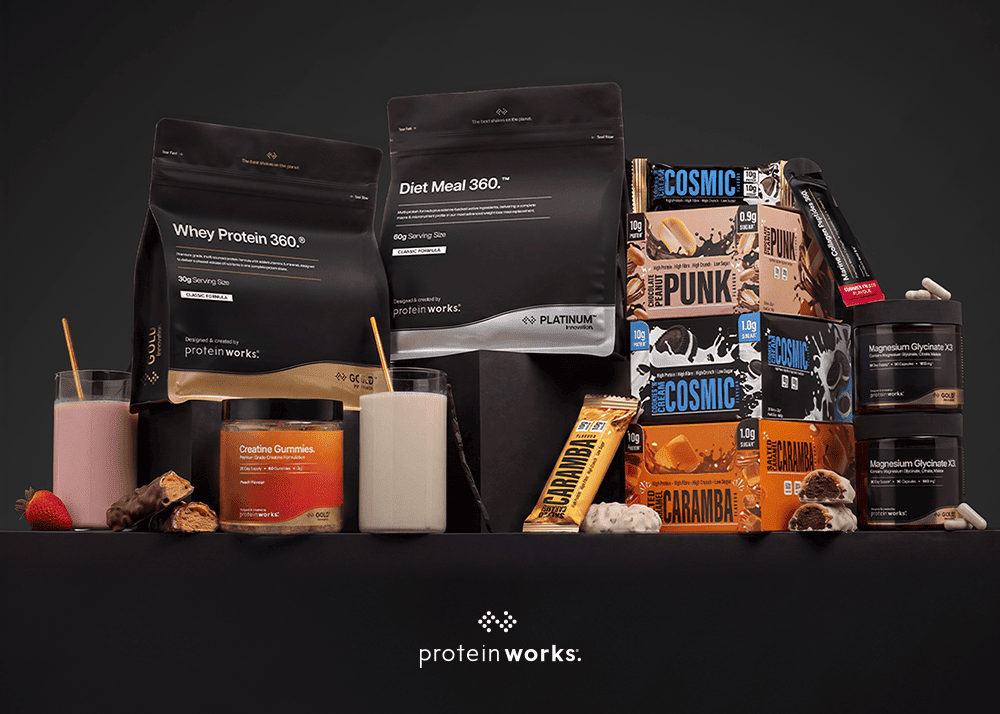

There has never been more choice when it comes to convenient nutrition.
Whether you are looking to support a healthier lifestyle, improve your daily routine, or simply make more balanced food choices during a busy week, there are now countless products designed to help.
Among the most popular options are:
- protein bars
- protein shakes
- complete meal shakes
- high-protein meals
Each offers its own advantages, but they are not designed to do exactly the same job.
This often leads to one of the most common questions people ask:
Should I choose a protein bar, a shake, or a high-protein meal?
The answer depends far less on finding the “best” product and much more on understanding what fits your lifestyle, routine, and everyday eating habits.
Modern nutrition is increasingly about flexibility rather than rigid rules.
Different nutrition products suit different situations, and many people find that combining several options throughout the week works better than relying on just one.

There Is No Single Right Choice
One of the biggest misconceptions surrounding nutrition products is that one format is automatically better than another.
In reality, protein bars, shakes, and high-protein meals are designed to solve different challenges.
Some prioritise:
- convenience
- portability
- speed
- satiety
- balanced nutrition
- flexibility
Choosing the right option often depends on questions such as:
- Are you replacing a meal or having a snack?
- Are you at home or travelling?
- Do you need something quick between meetings?
- Are you looking for something more filling?
- Do you want something easy after moving your body?
Once you start thinking about nutrition this way, choosing between different formats becomes much simpler.
Protein Shakes Offer Convenience and Flexibility
Protein shakes and protein powders remain one of the most popular nutrition products because they are quick, versatile, and easy to fit into busy routines.
Many people use protein shakes:
- alongside breakfast
- during busy workdays
- between meals
- when time is limited
While they have traditionally been associated with fitness, protein shakes are now used by a much broader audience looking for practical ways to increase protein intake and support healthier eating habits. In fact, our very own 2026 Whey Protein Consumer Research highlights just this.
Modern protein shakes have also evolved significantly.
Consumers now expect:
- great flavour
- smooth texture
- easy mixing
- premium ingredients
- products that feel enjoyable to drink
rather than simply focusing on protein content alone.
For many people, this combination of convenience and overall experience makes protein shakes one of the easiest nutrition products to use consistently.
Protein Bars Make Healthy Choices More Portable
Protein bars solve a different problem.
Rather than replacing meals or providing a drinkable source of nutrition, they offer a portable option that can easily fit into busy days.
Many people choose protein bars because they are easy to:
- keep in a work bag
- carry while travelling
- have between meetings
- eat after commuting
- enjoy when preparing food is not practical
For people with unpredictable schedules, portability can be just as valuable as nutritional content.
This is one reason protein bars continue to grow in popularity beyond a historic fitness audiences.
Like the wider nutrition category, modern protein bars have also changed considerably.
Consumers increasingly look for bars that combine:
- enjoyable flavour
- satisfying texture
- balanced nutrition
- convenience
- high-quality ingredients
rather than products that simply deliver the highest protein number.
High-Protein Meals Provide Greater Balance
High-protein meals occupy a different place within modern nutrition.
Rather than acting as convenient snacks or drinks, they are designed to provide a more complete eating experience.
A balanced high-protein meal typically combines protein with other nutrients to help support satiety and provide a more substantial option when time allows.
For many people, these meals become the foundation of their everyday nutrition, while products such as shakes or bars help fill the gaps around busy schedules.
This highlights an important point.
Nutrition products do not necessarily compete with one another.
Instead, they often complement one another by supporting different parts of the day and different lifestyle needs.
Modern Nutrition Is About Building Flexible Routines
One of the biggest changes in the nutrition industry is the move away from rigid meal plans towards more flexible eating habits.
Modern lifestyles are rarely predictable.
Many people balance:
- work
- commuting
- family responsibilities
- exercise
- travel
- social commitments
As a result, eating habits often need to be flexible too.
Some days there is time to prepare balanced meals.
Other days, convenience becomes the priority.
This is where having different nutrition formats available can make maintaining healthier habits much easier.
Rather than aiming for perfection every day, many people now focus on building routines that can adapt to changing schedules while still supporting balanced nutrition consistently.
Different Products Suit Different Moments
One of the easiest ways to think about nutrition products is to match them to the situation rather than trying to find one product that does everything.
For example:
- a high-protein meal may be the best option when you have time to sit down and eat
- a protein shake can be a convenient choice after exercise or during a busy morning
- a protein bar may be ideal when you’re travelling or need something portable between meetings
Each format has its own strengths.
Rather than replacing one another, they can work together to make healthier eating feel more practical throughout the day.
This flexibility is one of the reasons nutrition products have become so widely adopted outside traditional sports nutrition.
Convenience Often Supports Better Consistency
One of the biggest challenges people face is not knowing what they should eat. It is finding options that fit into busy, unpredictable days.
Long commutes, changing work schedules, family commitments, and travel can all make maintaining balanced nutrition more difficult.
Having convenient options available can help remove some of these barriers.
For many people, this means:
- keeping protein bars available for busy afternoons
- using shakes when preparing food is not practical
- enjoying balanced high-protein meals when time allows
These small decisions can make healthy habits feel much easier to maintain over weeks, months, and years.
Modern nutrition is increasingly about creating routines that work consistently rather than aiming for perfection every day.
Taste and Enjoyment Matter Too
Convenience is important, but it is only one part of the picture.
Products that taste good and feel enjoyable to eat or drink are often much easier to use consistently.
Consumers increasingly expect nutrition products to deliver:
- excellent flavour
- enjoyable texture
- convenience
- versatility
- high-quality ingredients
This represents a significant change from the early days of sports nutrition, when many products focused almost entirely on nutritional content.
Today, experience matters.
The products people continue buying are often the ones that combine quality nutrition with flavour and convenience in a way that fits naturally into everyday life.
It Does Not Have to Be One or the Other
Many people assume they need to choose between bars, shakes, or meals.
In reality, most people naturally use a combination depending on the day.
For example, someone might enjoy:
- a protein shake with breakfast during a busy weekday
- a balanced high-protein meal at lunchtime
- a protein bar during an afternoon commute
Another person may use completely different combinations depending on work, travel, exercise, or family commitments.
There is no single formula that works for everyone.
The best nutrition routine is usually the one that feels realistic enough to maintain consistently.
Choose the Option That Fits Your Lifestyle
The most effective nutrition products are often the ones that solve practical problems.
Before choosing between different formats, it can be helpful to ask:
- Do I need something quick or something filling?
- Am I replacing a meal or having a snack?
- Will I be eating at home or on the move?
- What fits most naturally into my routine?
- What am I most likely to enjoy consistently?
Answering these questions often makes choosing the right product much easier than comparing nutrition labels alone.
Frequently Asked Questions
Are protein bars healthier than protein shakes?
Not necessarily. They serve different purposes. Protein shakes are often chosen for convenience and increasing protein intake, while protein bars offer a portable snack that can fit easily into busy days.
Can protein shakes replace meals?
Standard protein shakes are generally designed to increase protein intake rather than replace balanced meals. Complete meal shakes are typically formulated to provide a broader nutritional profile when meal replacement is appropriate.
Are high-protein meals better than nutrition products?
High-protein meals can provide a balanced source of nutrition and are an important part of a healthy diet. Nutrition products can complement these meals by adding convenience and helping people maintain healthier routines when preparing food is less practical.
Can I use bars, shakes, and high-protein meals together?
Yes. Many people combine different nutrition formats throughout the day depending on their schedule, preferences, and lifestyle.
Which option is best for busy lifestyles?
There is no single answer. Some people prefer the portability of protein bars, others value the convenience of shakes, while many use high-protein meals whenever time allows. The best option is usually the one that fits naturally into your routine.
Final Thoughts
Protein bars, shakes, and high-protein meals all have a place within modern nutrition.
Rather than competing with one another, they each offer different benefits depending on your routine, preferences, and daily schedule.
For many people, the most sustainable approach is combining different nutrition formats to make healthier choices feel easier, more flexible, and more enjoyable.
At Protein Works, we believe healthier living should fit around real life. Our range of premium protein shakes, complete meal shakes, high-protein snacks, and nutritious meal solutions are designed to help you build balanced habits that work with your lifestyle, not against it.



No Comments yet!